Watching & Rules
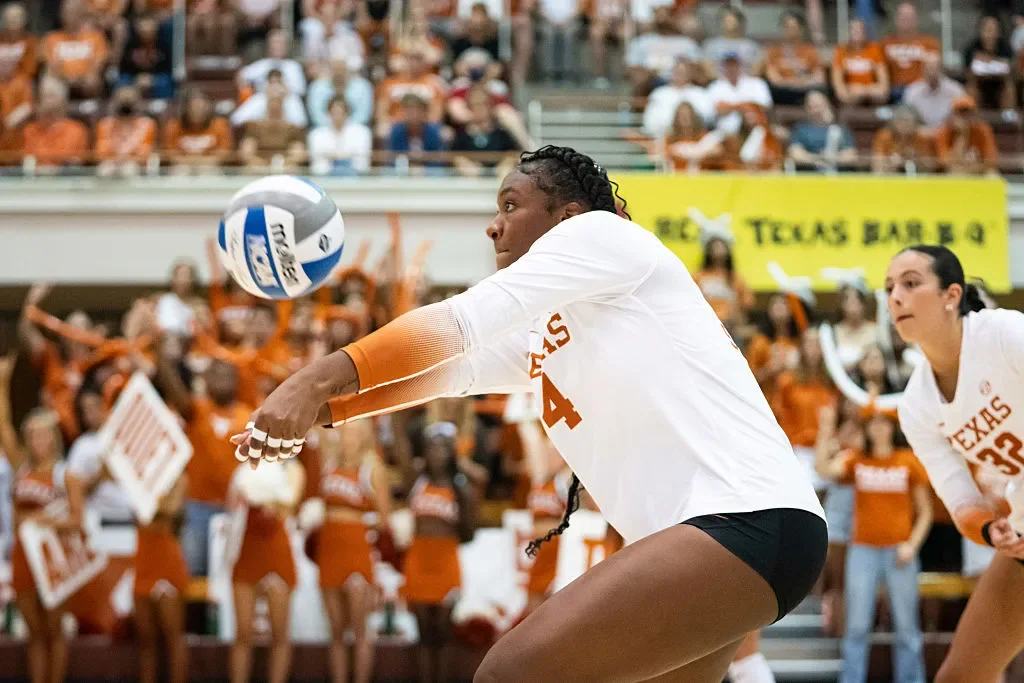
A difficult volleyball rally often begins before the spectacular part. The pass drifts away from the net, the setter has to run, the middle's quick approach disappears and the outside hitter faces a waiting block. The final swing draws the attention, but the serve and first contact shaped the problem. Learning to notice that beginning changes how you watch Texas volleyball.
Serve receive is the receiving team's plan for turning the opponent's serve into an organized attack. Rotations determine which players are available and where they begin. You do not need to draw six complicated diagrams to follow either idea. Keep the Texas roster nearby, identify the setter and libero, and work through the simple viewing habits below. The examples describe possible situations, not a claim about Texas's current lineup.
Start with the moment service changes
When the receiving team wins the rally, it scores and earns the next serve. Its players rotate clockwise before that service turn. If the serving team keeps winning points, it keeps serving without rotating again. This is the key to understanding why a single rotation can remain on screen during a long run.
Count service changes instead of trying to follow every movement after every touch. If Texas wins a receiving rally, watch the players reset and locate the new server. Then note where the setter is starting. Those two observations give you an anchor when the rest of the formation appears crowded or unusual.
The service order matters even when substitutes enter. A replacement changes the person performing a job within the lineup's structure; it does not give the team permission to create a new service sequence at will. For a spectator, the helpful habit is to follow the rotational place as well as the jersey number occupying it.
Distinguish the starting alignment from the working formation
Players must meet the NCAA's positioning requirements at the moment the serve is contacted. After that contact they can move into the areas where they will pass, set, attack or defend, subject to their front-row or back-row status. This creates the quick movement you see as soon as the ball leaves the server's hand.
A setter may look tucked behind another player before moving toward the net. A hitter may pass from one area and approach from another. The initial arrangement serves the rotation; the movement afterward serves the rally. Treating the opening formation as six fixed parking spaces makes the sport look more confusing than it is.
You do not need to decide whether every overlap is legal from a television angle. The officials and scorer have the submitted lineup and a better-defined task. For learning purposes, watch the timing of the release and the destination of the movement. Ask what each player needs to accomplish before Texas can build its attack.
Find the passing unit before the serve
Identify which players are preparing to receive and which are preparing to get out of their way. Their stances and attention can be more revealing than their listed positions. The libero is easy to spot through the contrasting jersey, but other athletes may carry a substantial share of passing responsibilities.
Look at the space between receivers. Those shared areas, often called seams, require a clear decision about who takes the ball. A serve does not have to be exceptionally fast to create trouble if it makes two receivers hesitate. Conversely, a receiver may make a difficult serve look routine through an early, confident decision.
Avoid assuming that the player nearest the eventual landing point was automatically responsible. A team has its own calls and assignments, which the camera does not reveal. You can describe visible hesitation or movement without inventing the communication that should have happened. That keeps your analysis grounded in what the match actually shows.
Judge a pass by the choices it preserves
A pass is useful when it allows the team to run the next action effectively. The ideal first contact gives the setter time and access to multiple hitters. A playable but difficult pass may preserve only one realistic option. A desperate save can keep the rally alive while giving the opponent time to organize.
Watch the setter immediately after the pass. Does she move a short distance and arrive balanced, or does she turn and chase? Are the middle and opposite still available? These questions help explain offensive variety without requiring access to private team passing grades.
The public statistics page cannot tell you the quality of every reception unless the relevant grading is actually published. Reception errors show a defined outcome, not a complete evaluation of the passing unit. Use the film to notice how the first contact affects the available attack, and avoid turning a clean error column into a claim of perfect passing.
Follow the setter’s row and the available attackers
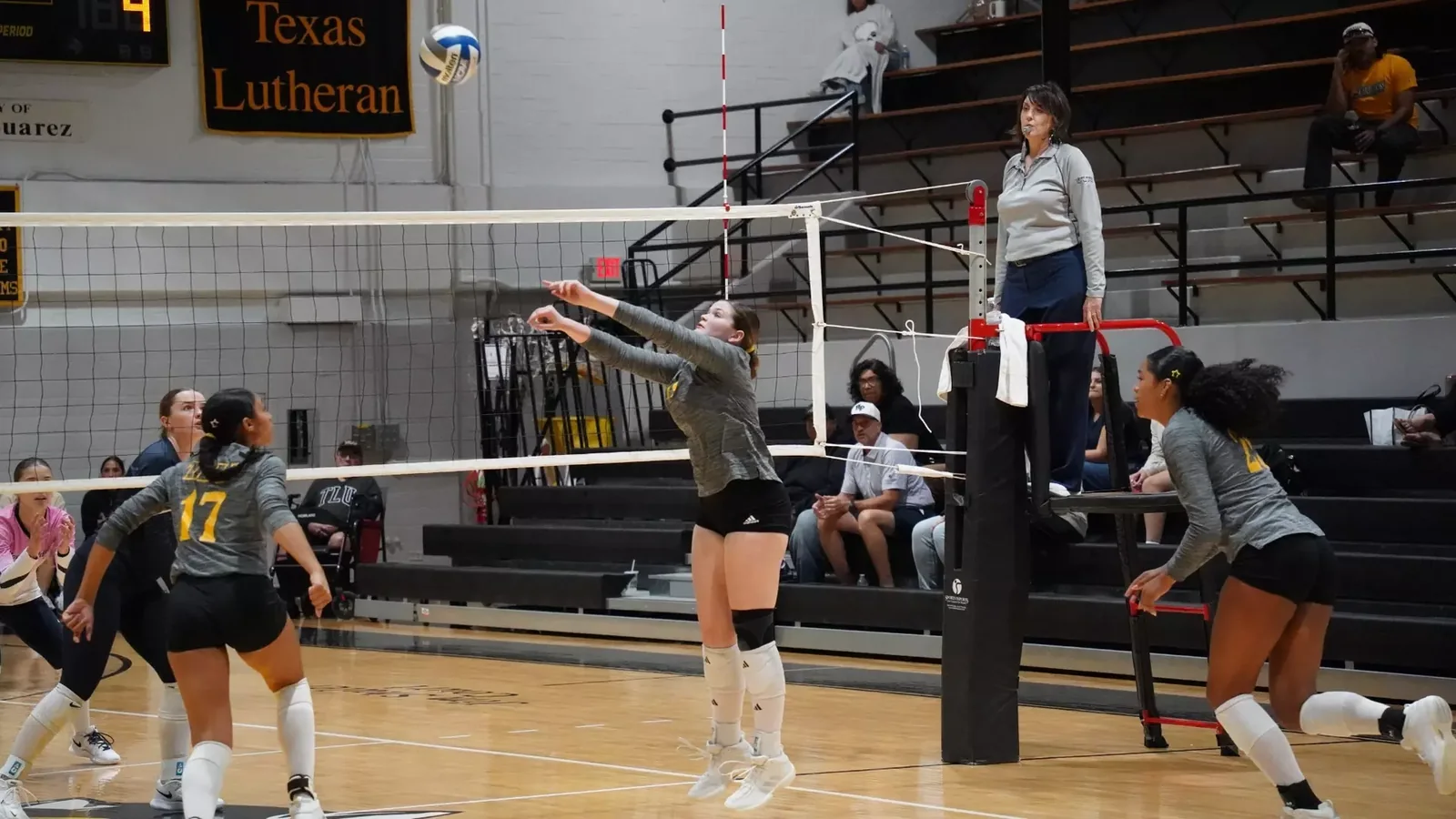
A setter's front-row or back-row status affects the shape of the offense. In a lineup with a setter in the back row, three front-row teammates can be available as attacking options. When that setter moves into the front row, the balance changes. A coach may use a different system or substitutions to organize those options.
For a fan, the point is not to label a system as good or bad. It is to recognize why the same passing quality can create different choices in different rotations. A front-row setter can also threaten a legal second-contact attack, giving the defense another decision to consider.
Choose one rotation and watch its first attack several times. Does the pass allow the middle to stay involved? Is the right-side route available? Does the setter regularly need a high ball to the left? Repetition makes the pattern visible. One successful rally is encouraging; several similar opportunities tell you more about how that rotation is functioning.
Notice how servers choose pressure
A server may target a receiver, an area, a seam or a depth that changes the passing unit's movement. From the stands you can observe where the serve travels, but you cannot always know the intended target. A ball that lands short might be a deliberate change or a mishit. Describe the outcome before claiming certainty about the plan.
Compare consecutive serves by the same player. Are receivers moving forward, backing up or shifting sideways? Does the setter have to chase the second contact? A serve that does not score an ace can still make the receiving offense more predictable, which gives the serving team's block and defense a better starting point.
Service errors remain costly because rally scoring awards a point to the opponent. That does not settle the best strategy for every situation. Pressure and consistency are a continuing tradeoff. Instead of judging a server from one miss, consider the full service turn and the quality of the attacks the opponent was able to create.
Separate the first-ball attack from transition
The first-ball attack is the receiving team's initial attacking opportunity after the serve. If that attack does not end the rally, both teams may move into transition: defending an attack, organizing the next contacts and trying to score from a less predictable situation. The two phases can look very different.
A team may receive well but struggle after long rallies, or pass unevenly yet defend and counterattack effectively. Those are useful distinctions when discussing why a set felt difficult. Saying only that the offense struggled can hide whether the problem came from serve receive, setting availability or later transition choices.
When a rally becomes chaotic, track whether the next ball is controlled enough to offer a genuine attack. A safe return may be the sensible choice even if it gives the opponent an organized opportunity. The skill is sometimes in staying alive long enough to reset. Not every ball should be evaluated as though the team had all its preferred options.
Use service runs as a viewing exercise
During a long run, resist watching only the scoreboard. Keep your eye on the same receiving rotation and ask what changes after a timeout or substitution. A passer might adjust depth, a hitter might be relieved of part of the reception workload, or the setter might use a different available route. Some changes will be visible; others will remain inside the team.
A run ending does not prove that the last adjustment caused the sideout. The next rally might end on a missed serve or an exceptional individual play. Look for repeated improvements before claiming a tactical breakthrough. This distinction is especially useful when the crowd's emotion makes one point feel like a complete explanation.
After the match, open the results and box-score links to confirm the final. Match-level totals may support your observations, but they do not reproduce every rotation. Preserve that limit when you summarize the performance. A thoughtful explanation can say what appeared to happen without presenting a private scouting report you do not possess.
Build understanding one match at a time
For your next viewing session, find the event through the Texas volleyball broadcast guide and pick one manageable question: can Texas turn the first pass into several options? For another set, follow the opponent's receivers and watch how the Longhorns' serving changes their movement.
Use the season schedule to keep the larger context in view, but let each match supply its own evidence. Different opponents, venues and lineups can create different problems. Serve receive and rotations are useful tools for understanding those differences, not shortcuts to declaring a team permanently strong or weak. Once you see the serve, the first pass and the setter's choices as one connected sequence, the match becomes richer without becoming homework.