
Season & Travel
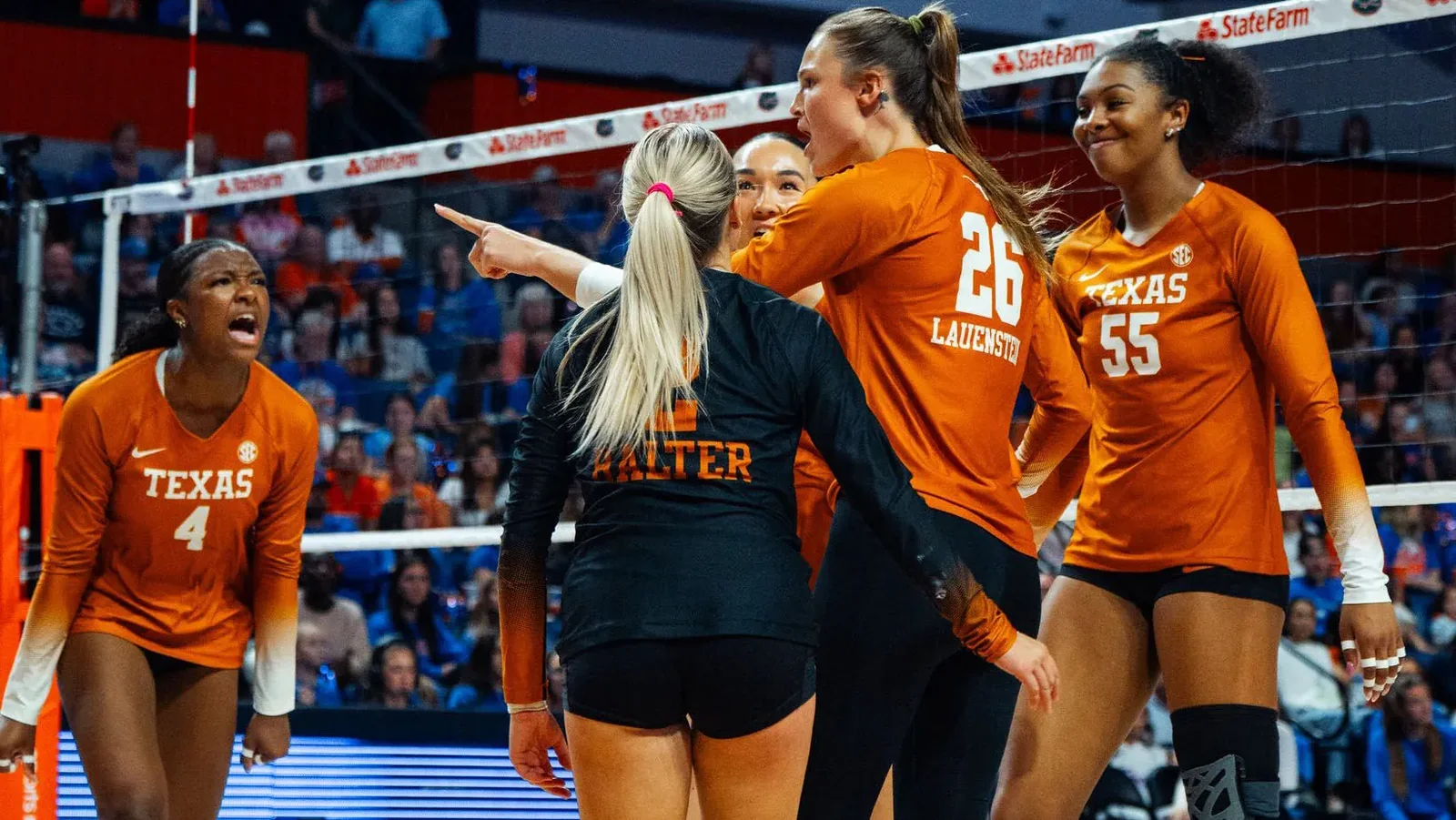
Late in a volleyball season, every result seems to invite a large conclusion. A win becomes proof that everything is coming together; a loss becomes a warning that nothing will work in December. The more useful approach is narrower. Watch the parts of the game that must hold up against different opponents, then ask whether the evidence is becoming more consistent.
For Texas fans, that means looking beyond a ranking or a final set count. This is a viewing checklist, not a prediction of the Longhorns' tournament position. It focuses on questions you can bring to the remaining matches and revisit afterward. Use the Texas schedule for confirmed dates and keep possible postseason assignments separate from events already announced.
Begin with the first contact
Serving and passing shape what happens next. When Texas receives serve, watch where the setter can take the second ball and how many attackers remain available. A pass does not have to produce an immediate error to make the offense easier to defend. Repeated balls that pull the setter away from the net can narrow the choices considerably.
On the other side, look for the effect of the Longhorns' serve beyond the ace total. Does it move a receiver, create an uncomfortable seam or force a predictable attack? This is a tactical observation, not a separate official statistic you should invent. A serve that helps organize the block can matter even when the opponent eventually keeps the rally going.
Ask how the team ends a serving run
Side-out play means winning a rally while receiving serve, which earns the right to serve next. A team does not need a perfect pass on every attempt, but it needs workable answers when the first option disappears. Watch how Texas responds after an opponent has scored several points with the same server.
Does the team change its spacing, find another attacker or use a more controlled shot? Sometimes the answer is simply better execution of the original plan. Avoid assuming that every improvement requires a dramatic tactical change. The useful question is whether the team finds a repeatable way to stop the run, rather than depending entirely on the opponent missing the next serve.
Watch the offense when the pass is imperfect
A clean pass can make an attack look smooth. Postseason-level opponents will try to prevent that comfort, so notice the less tidy rallies. When the ball is well off the net, can Texas still create a sensible swing? Are attackers available early enough to give the setter a choice? Is the team ready to cover the hitter if the block sends the ball back?
Do not judge every difficult ball by whether it becomes a kill. Keeping the attack playable can extend a rally and create another opportunity. A useful observation describes the options and decision. “Found a controlled shot against a formed block” explains more than a general comment that the offense looked nervous or brave.
Look at how the block and defense connect
Blocking is not only about the point that ends with the ball going straight down. A touch can slow an attack and give the defense a chance to organize. Watch where the defenders are positioned relative to the block and whether they appear prepared for the space the blockers leave. The two parts should be considered together.
A broadcast may not show the full formation, so be careful about assigning blame from a tight camera angle. Instead, follow several similar rallies. Does the same attacking route repeatedly cause difficulty? Is the ball being touched but not controlled afterward? Those questions identify a pattern worth watching without pretending you know every assignment made by the coaching staff.
Notice what happens after a dig
A defensive save is valuable, but a team still has to turn it into a usable attack. Watch the next two contacts after a strong dig. Can the setter reach the ball in balance? Do hitters transition quickly enough to become options? Does a teammate step in clearly when the setter has taken the first contact?
This phase can explain why a team produces exciting defensive moments without winning the rally. It also reveals how several players contribute to a point that ends with one athlete's kill. When you watch the full sequence, an ordinary-looking finish may become more impressive because you recognize the recovery and organization that made it possible.
Compare rotations instead of only whole-match totals
A match average can conceal a difficult stretch when a particular group of players is arranged a certain way. You do not need a professional charting system to notice this. When a long opponent run begins, note who is receiving, who is attacking at the net and where the setter is starting. See whether the issue returns later.
Treat that note as a question for the next viewing opportunity. One bad rotation in one match does not prove a permanent weakness. Opponent serving, execution and the available view all matter. The goal is to notice whether Texas develops a more reliable response when a comparable situation appears again.
Read efficiency alongside opportunity
The statistics guide can help check an impression, especially when totals and rates are considered together. An attacker with a large workload faces a different task from someone receiving a few favorable sets. A stronger team hitting percentage can reflect several changes in the sequence, including better first contact and smarter choices.
Choose the same report filter and coverage period when making comparisons. Overall and conference-only figures do not describe identical samples. A short stretch can be informative, but it should remain a short stretch in your language. Write “over these matches” rather than turning a small improvement into a claim that the offense has permanently reached another level.
Evaluate close sets without inventing a personality test
The closing points of a set are compelling, but they are still volleyball points involving serving, passing, setting and attacking. Watch the quality of the decisions and execution. A missed swing does not prove that a player lacks competitive character, just as a favorable deflection does not establish that a team cannot be shaken.
A better question is whether the process remains recognizable under pressure. Does communication continue? Are players ready for coverage? Can the team create a reasonable opportunity on an important reception? Record the actual sequence before attaching a large emotional explanation. The closer the score, the easier it is for a vivid moment to overwhelm the rest of your judgment.
Look for usable depth, not just a long roster
Depth becomes meaningful when players can fill a clear task within the lineup. A serving appearance, a defensive change or a different attacking option may matter without producing large totals. The roster directory helps identify the people involved, but watch the specific role rather than counting names.
Changes in playing time should not become unsupported stories about health or relationships. Use confirmed public information when it exists and leave the reason unknown when it does not. You can still discuss whether a substitution helped address a visible problem. That keeps the conversation about the volleyball you observed and the information actually available.
Match the observation to the opponent
Different opponents ask different questions. A difficult serving team challenges reception; a fast offense tests blocking movement; a strong defensive side asks an attack to stay patient. Improvement against one style does not automatically answer every other challenge. As the schedule continues, note which demands Texas has faced and which situations remain less familiar.
Use the results page and official recaps to review the context. The purpose is not to explain away every loss or downgrade every win. It is to understand what the match actually tested. A useful late-season assessment should name the evidence behind it rather than relying entirely on the reputation of the opponent.
Keep conference goals and national selection distinct
The SEC standings help describe the conference race. NCAA selection and bracket placement are separate processes, and an anticipated matchup is still only a possibility until announced. Enjoy following both stories while keeping their terminology clear. A poll movement, a league result and an official bracket announcement do different jobs.
The NCAA publishes championship information and its selection procedures through official resources. Consult those before treating a projection as a travel plan. You can research an event in advance without announcing that Texas will be there. Being clear about what is confirmed makes it easier for friends and family to make sensible viewing or attendance decisions.
Build a short watchlist for each match
Choose three questions from this guide before first serve. For example: how does Texas handle a strong serving run, what happens after a difficult dig and can a second attacking option stay involved? Three questions are enough to direct your attention while leaving room to enjoy the contest. You do not need to turn the evening into an examination.
Afterward, write a few sentences answering those questions with examples. Add one thing that remains uncertain. Revisit the same points in the next suitable match. This creates a fairer picture over time than changing your entire assessment after every final score. It also gives you a more useful conversation starter than asking whether the team simply looked ready.
Let the remaining matches answer the questions
Texas' program history provides context for high expectations, but the current team has its own decisions to make and problems to solve. Watch that work on its own terms. The most encouraging sign may be a pattern becoming steadier, an adjustment holding up or another player contributing in a defined role.
A postseason watchlist should make you more curious, not more certain about an outcome that has not happened. Pay attention to first contact, connected defense, available attacking options and repeated responses to pressure. Then let the next match add evidence. You will reach the postseason with a clearer understanding of how Texas plays and a better appreciation of the points that decide the result.
Sources and planning references
Texas Athletics 2026 cumulative statistics · Texas Athletics official schedule and match reports · NCAA championship information and manuals