
Season & Travel
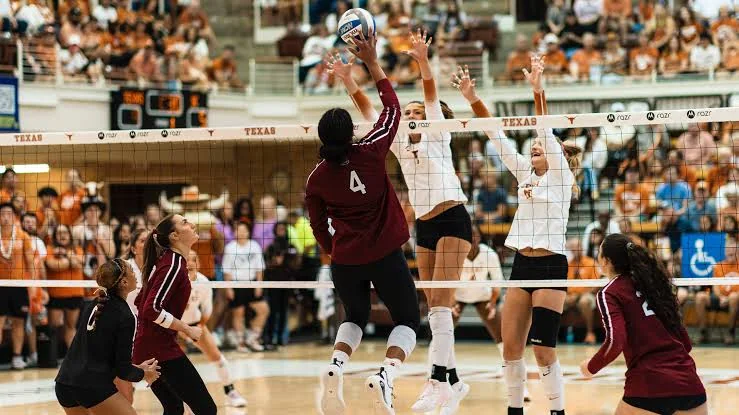
A player's development is often easiest to notice after you stop looking only for spectacular plays. The more revealing changes can be quiet: a hitter keeps a difficult ball in play, a passer communicates earlier or a blocker arrives balanced instead of reaching at the last moment. These improvements may help win points without producing the highlight that gets shared afterward.
For Texas volleyball fans, following that progress adds a rewarding thread to the season. You do not need access to practice or a coach's evaluation to watch carefully. You do need to separate what you can see from what you are guessing. This guide offers a practical method for observing development while using statistics and official information fairly.
Start with the player's actual role
Use the Texas roster directory to identify a player's listed position and background. A setter, middle blocker, outside hitter and defensive specialist contribute in different ways. Comparing all of them by kill totals makes little sense. First ask what responsibilities the player appears to have in the lineup you are watching.
The official 2026 roster, for example, lists Rella Binney as a setter, Torrey Stafford as an outside hitter and Taylor Harvey as a middle blocker. Those labels provide a starting point, not a complete scouting report. Watch the role in the specific match before deciding which numbers would help describe it. A listed position alone does not establish every task or rotation assignment.
Pick one question for the next match
An open-ended goal such as “watch whether she improves” is difficult to evaluate. A more useful question is specific: does the hitter recover quickly enough to be available after receiving serve? Does the middle stay involved when the pass moves away from the net? Does the defender communicate clearly on balls landing between teammates?
Choose one question and follow it for a set. Then watch the broader match again. Trying to record every movement can make the experience less enjoyable and the notes less reliable. A small, repeatable observation gives you something meaningful to compare at the next match without pretending that a fan's notebook captures everything a coaching staff can evaluate.
Watch the contacts before the finish
An attack ends a sequence, but the quality of the opportunity often begins earlier. When a hitter struggles, look at the pass and the setter's position before judging the swing. A high ball against an organized block is different from a quick attack created by a controlled first contact. The outcome alone does not tell you whether the attacker made a reasonable decision.
The same principle works in reverse. A clean kill can be an excellent finish to an opportunity created by teammates. Recognizing that does not diminish the hitter. It makes the observation more accurate. Development may show up as making better use of ordinary chances, rather than producing a bigger collection of difficult rescue plays.
Use hitting percentage with its ingredients
The NCAA's statistical definition calculates hitting percentage as kills minus attack errors, divided by total attempts. A useful comparison therefore includes all three ingredients. A high percentage on very few attempts does not carry the same information as a sustained performance across a larger workload. Nor does one error have the same effect in every sample.
Here is a hypothetical illustration, not a Texas match result: eight kills and two errors on twenty attempts produce .300. Six kills and no errors on twenty attempts also produce .300. The identical percentage hides different distributions of outcomes. When considering improvement, ask whether the player is creating more points, reducing errors or handling a different kind of opportunity.
Compare rates and workload together
A larger season total may simply reflect more sets played. A per-set rate can help, but it should not erase the number of sets behind the calculation. Look at both. A player entering for a short serving appearance and a player staying through full rotations can have very different opportunities even when both are credited with participating in a set.
The team statistics guide provides a starting place for those comparisons. Check the report's coverage date and whether you are viewing overall or conference-only information. Changing the filter can change the story. Write the filter beside a number you save, so that a later comparison is actually measuring the same thing.
Notice decision quality on difficult balls
Not every swing needs to be a winner to be a good decision. A player facing a poor set and a formed block may keep the rally alive with a controlled shot. On another ball, attacking assertively may be the right choice. Fans cannot know every instruction, but they can watch whether decisions appear to match the available opportunity.
A useful note describes the situation rather than issuing a verdict about character. “Kept a tight set playable against two blockers” is more informative than “looked confident.” Confidence may be part of the story, but it is an internal state you cannot measure from the stands. Specific actions make your observations clearer and fairer.
Follow the work between contacts
A player is still contributing when somebody else touches the ball. Watch how attackers move into coverage, how defenders prepare for a teammate's block and how quickly players switch from defense to offense. These are good areas for a casual observer because they encourage you to see the whole rally rather than following only the ball's final destination.
The broadcast camera may not show every detail, so leave gaps in your judgment when the view is incomplete. At a match, you can choose one part of the court for several rallies. On television, use a replay when it is available. An unseen action should remain unknown rather than becoming evidence that the player failed to do it.
Give the opponent a place in the comparison
Improvement is not a straight line across opponents of unequal strength and different styles. A receiver may face more difficult serving one weekend. A middle may see a faster attack. An outside hitter may receive more emergency sets. Compare the demands of the match before turning a lower number into a claim that development has stalled.
Use the results archive and official box scores to reconnect an observation with its setting. Was the match short or extended? Did the lineup change? Were the same players available? These questions do not excuse every mistake. They help you distinguish a performance difference from a meaningful change in ability.
Look for repeated adjustments
One strong play is encouraging, but repetition makes the evidence more convincing. If a server changes a target after a timeout, watch what happens on later turns. If a passer struggles with a seam, see whether the spacing or communication changes. An adjustment that holds across several opportunities tells you more than a single favorable bounce.
Keep the language modest: “I noticed this in the last two matches” is stronger than an unsupported declaration that a problem has been solved. You are documenting a pattern, not issuing a permanent grade. Development includes learning which adjustment works against which opponent, and the next match may ask a different question entirely.
Be careful with changes in playing time
A new role or a change in minutes can reflect several possibilities. Matchups, tactics, availability and practice performance may all matter, but a spectator rarely has complete information. Avoid presenting an explanation as fact unless it has been publicly confirmed. A player sitting out is not enough evidence to announce an injury or a dispute.
Read official updates and attributed comments when available. Then return to what the player actually does when on court. This approach respects the athlete while improving your analysis. It also keeps a season conversation useful: people can discuss visible roles and confirmed information instead of building a dramatic story around a substitution they do not fully understand.
Keep a small development notebook
A simple entry can contain the date, opponent, the question you watched and two examples. Add one relevant statistic only if it helps test the observation. Include a sentence about what you could not see. That last line is valuable because it prevents a partial view from hardening into a complete explanation.
After several matches, reread the entries together. You may discover that a concern has become less frequent, or that the same difficulty returns against a particular style. You may also find that your first impression was exaggerated. Changing your mind when better evidence arrives is part of following a season well, not a failure of loyalty.
Let development make the season richer
Following individuals should complement supporting the team. A player can develop while the group loses, and a team can win while still working through problems. Notice both. Applaud the difficult pass, the useful block touch and the smart recovery alongside the obvious point-scoring plays. You will begin to see more of what makes a rally possible.
Use the season schedule to choose your next viewing opportunity and return to the same small questions. Over time, names become roles, roles become decisions and decisions become recognizable patterns. That is a more satisfying way to watch development than waiting for a single breakout match to explain everything a player has been learning.
Sources and planning references
Texas Athletics 2026 roster · Texas Athletics 2026 cumulative statistics · NCAA official volleyball statistics rules