
Program & History
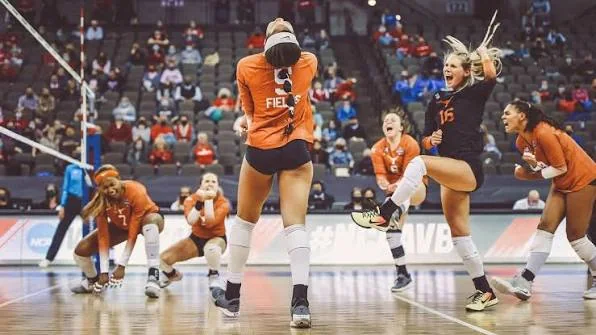
Some volleyball matchups carry more history than a single season’s schedule can show. Texas and Nebraska are an example. Their meetings connect conference competition, national championship nights and generations of supporters. You do not have to remember every result to understand the attraction. Start with a simpler idea: these are programs that have repeatedly met when the stakes were high, and the meaning of a particular meeting depends on its date and setting.
This guide focuses on that context and on what to watch when the teams meet again. It is not a prediction or a running all-time series total. For the present season’s date, venue and recorded result, use the Texas matchup guide and the full match schedule. Historical significance and current performance should inform each other without being confused.
Three finals make an easy starting point
Texas and Nebraska met in the NCAA championship matches in 1995, 2015 and 2023. Nebraska won the first two of those finals; Texas won the third. That sequence alone explains why a recent highlight cannot represent the entire relationship. Each fan base has championship memories attached to the other school, and those memories come from different teams and different eras.
When introducing the rivalry to a new fan, attach a result to a year rather than saying one team “always” wins the important match. It is more accurate and far more interesting. A single final can provide a memorable chapter without settling every later question. The next lineup still has to earn points against the opponent on the other side of the net, not against a collection of old celebrations.
Conference history and national history are different threads
A meeting between familiar programs is not necessarily a conference match. Teams can remain important opponents after their league memberships change. Before explaining what a result means, check whether it belongs to conference play, a nonconference event or the NCAA tournament. That label determines whether the outcome affects a conference table or only the overall record and broader season evaluation.
This is especially useful when reading older reports alongside current coverage. A historical reference to league competition does not make the next Texas–Nebraska meeting an SEC match. Keep the year attached to the league context. The Texas SEC standings page tracks the conference competition relevant to Texas now; a national opponent’s reputation cannot turn a nonconference result into a conference win or loss.
The 2015 final shows why set margins matter
Nebraska’s 2015 championship victory over Texas ended in three sets. The Big 12’s report lists those sets as 25–23, 25–23 and 25–21. That is a useful reminder that “sweep” describes the number of sets won, not automatically a match with no tension. Two-point margins in the first two sets leave plenty of room for decisive passages and missed opportunities.
When watching a replay of a close set, resist identifying one late error as the whole explanation. Earlier serving runs, a missed transition chance or an uncomfortable rotation can all shape the position at 23–23. Follow the entire set if you can. The final two rallies settle the score, but they do not erase everything that created that score. This is a better way to discuss a difficult loss without reducing an athlete to one touch.
The 2023 final tells a different tactical story
Texas’s 2023 championship win also ended in three sets, but the scoreline developed differently: 25–22, 25–14 and 25–11. Both universities’ official reports describe the effect of Texas’s serving. Looking at the 2015 and 2023 finals together shows why identical match totals can conceal different competitive patterns. The set progression adds information that “3–0” alone cannot provide.
There is no need to turn that contrast into a claim that one program permanently discovered the answer to the other. Rosters change, and a successful plan depends on execution against the players involved. The useful lesson is methodological: read the set scores, then watch the first-contact battle. A familiar opponent can create an entirely different match when serving pressure changes the quality and location of the pass.
Watch the pass before the spectacular swing
The most obvious action in a rivalry match is often the attack that ends the rally. The more revealing action may have happened two contacts earlier. A strong pass lets the setter keep several hitters involved. A disrupted pass can make the offense predictable and give the block extra time to organize. Start your viewing there and the hitter’s options become easier to understand.
Try following the receiver through a full serving turn. Note whether the pass reaches a comfortable setting area, whether the setter has to chase it, and whether the middle remains available. You do not need a technical grading system to notice those differences. A simple description such as “the setter was repeatedly pulled off the net” can explain more than saying the hitter looked nervous. It describes a visible problem rather than guessing at an athlete’s feelings.
Look at the block and floor defense together
A block does not operate alone. The defenders behind it need to know which attacking routes are being limited and which spaces remain their responsibility. During a long rally, watch how a back-row defender positions before the swing rather than following only the ball. A controlled dig may reflect a coordinated plan as well as an excellent individual reaction.
This viewing habit is particularly rewarding in a high-profile matchup because the physical plays can otherwise dominate your attention. A huge block is memorable, but so is a touch that slows the ball enough for a teammate to continue the rally. A kill might follow three organized defensive actions. The statistics page can help with basic categories, while a replay supplies the sequence that a box score cannot fully capture.
Avoid using rankings as permanent identities
The number beside a team’s name belongs to a particular poll at a particular time. It is not a permanent title, and it may not be the same ranking system used in a tournament discussion. An old championship report describing a numbered team should retain that historical label. It should not be copied into a current preview without checking the latest source.
Use the rankings page as a dated reference, then read the match on its own evidence. A higher-ranked team still needs to handle serve, limit errors and manage difficult rotations. A lower-ranked team does not receive extra points for making a statement. Rankings create context for a matchup; they do not determine the quality of the next pass or guarantee how a tight set will finish.
Enjoy the rivalry without inventing the athletes’ emotions
Supporters can feel the weight of history even when the current players were not involved in its most famous matches. That is part of following a long-established program. It becomes unfair when a preview assumes every athlete is seeking revenge for an older team’s loss or carries a personal grudge against an opponent. Unless a player says so in a reliable interview, leave that story unwritten.
There is plenty of drama in the sport itself. A newcomer might handle a difficult serving target. A setter may adjust after the first option stops working. A team might steady its sideout game following a poor stretch. Describing those challenges gives readers something real to watch. It also allows respect for an opponent’s skill without weakening anyone’s support for Texas. Competitive history works best when both programs remain recognizable as accomplished teams.
Build a replay night around one question
If you want to understand the matchup more deeply, choose one historic final and give yourself a specific assignment. Track service pressure, compare first-set and third-set passing, or follow how the setter distributes attacks when the score gets close. Keep the assignment narrow enough that you can observe it without stopping every rally.
Afterward, compare your notes with the official report. Did the statistics support your impression? Was the apparent turning point really one rally, or a whole rotation? Write a short description using actions rather than labels such as “wanted it more.” This exercise turns an old match into a useful lesson in volleyball. You can then bring the same question to the next live meeting and see how a new group of players answers it.
Keep the next chapter separate from the archive
History gives a Texas–Nebraska match extra texture, but it does not settle a future result. Confirm the event’s venue, start time and broadcast before planning around it. A neutral-site showcase, a home match and a postseason contest require different travel decisions. Do not assume a famous historical building is the venue simply because a promotional image uses an old photograph.
For a broader view of the Longhorns’ title years, continue with the program history guide. Then return to the current schedule and roster. The pleasure of this matchup lies in both directions: remembering the nights that made it important and staying open to a new match that may look nothing like them. The familiar names on the scoreboard are the introduction, not the entire story.
Sources and further reading
Texas Athletics maintains an official opponent-history archive. The Big 12’s 2015 final report supplies that match’s result and set scores. For 2023, compare the Nebraska match report with Texas’s official championship coverage. Tactical exercises here are independent editorial analysis, not quotations or inside accounts from either program.